
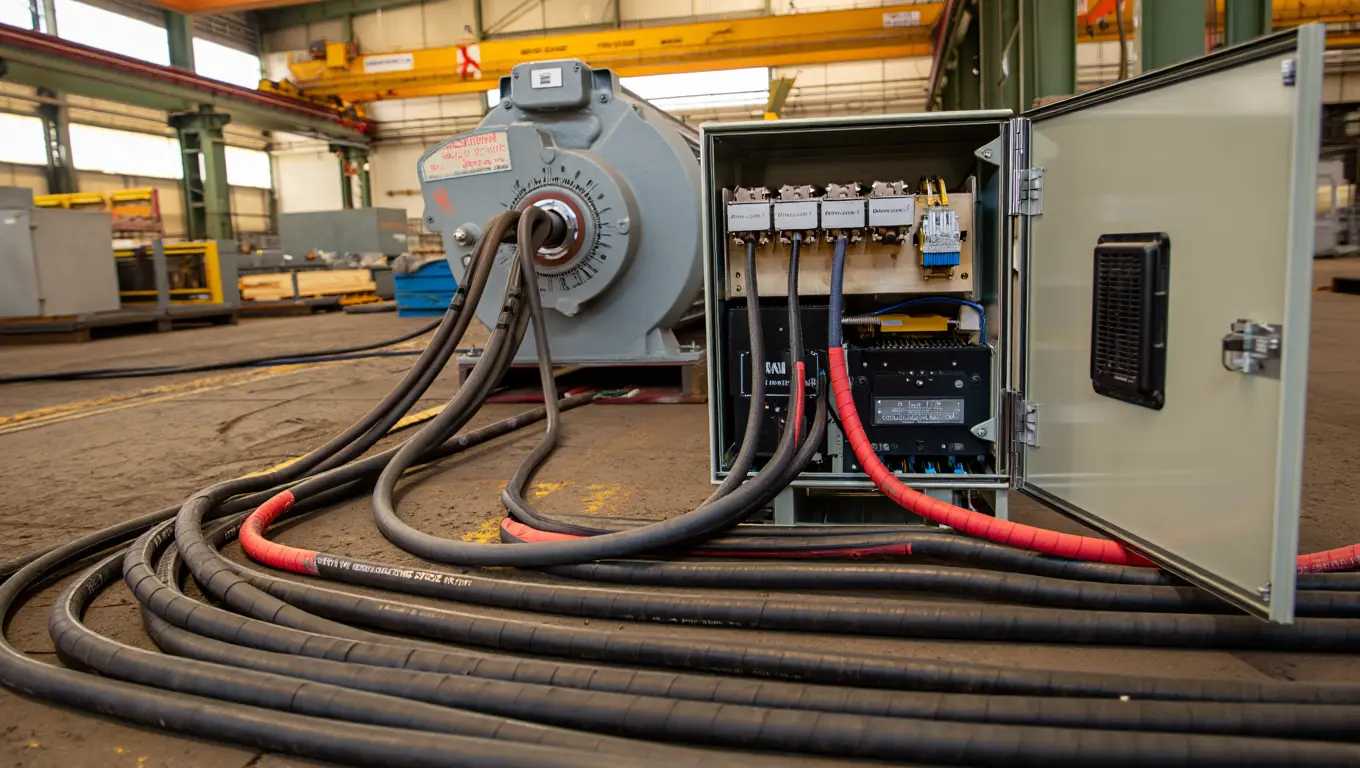
VFD Repair: Complete Guide to Troubleshooting, Maintenance & Professional Repair Services
techno matrix Drive & Control Systems ac drive repair, electrical control panel repair, industrial automation repair, industrial automation services, industrial drive maintenance, industrial vfd repair, motor drive repair, plc and vfd repair, variable frequency drive repair, vfd drive repair, vfd fault diagnosis, vfd maintenance, vfd repair, vfd repair services, vfd troubleshooting
VFD Repair: Complete Guide to Troubleshooting, Maintenance & Professional Repair Services
Introduction
In modern industrial automation systems, Variable Frequency Drives (VFDs) play a critical role in controlling motor speed, improving efficiency, and reducing energy consumption. These drives are widely used in manufacturing plants, HVAC systems, conveyor systems, pumps, and compressors.
However, like any electronic equipment, VFDs can experience faults due to electrical stress, environmental conditions, or component aging. When this happens, professional VFD repair services become essential to restore system performance and prevent costly downtime.
A malfunctioning VFD can cause motor instability, unexpected shutdowns, and production losses. That is why industries rely on proper troubleshooting, preventive maintenance, and professional repair services to ensure continuous operation.
In this guide, we will explore how VFD repair works, common faults, troubleshooting techniques, and preventive maintenance strategies that help extend the life of industrial drives.
Call Now

What is a Variable Frequency Drive (VFD)?
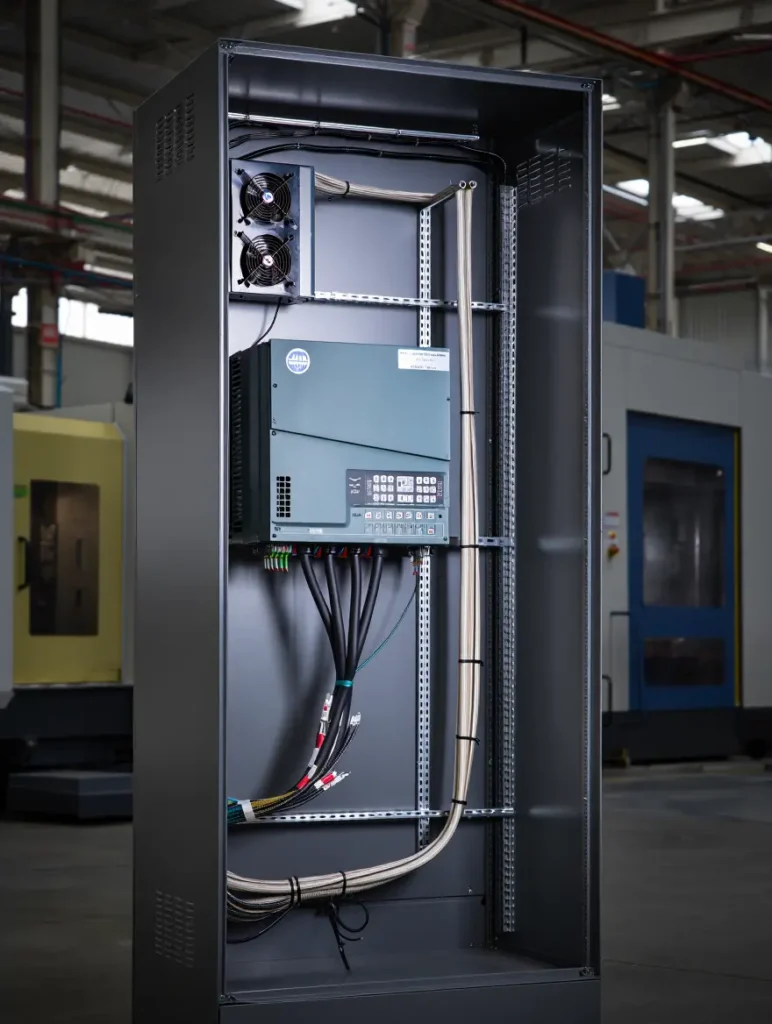
A Variable Frequency Drive (VFD) is an electronic device that controls the speed and torque of an AC motor by adjusting the frequency and voltage supplied to the motor.
Industries use VFDs to optimize motor performance and reduce energy consumption. By controlling motor speed based on operational requirements, VFDs help improve process efficiency and reduce wear on mechanical systems.
Common applications of VFDs include:
-
Industrial manufacturing systems
-
Conveyor belts
-
Compressors and fans
Because VFDs operate in demanding industrial environments, proper maintenance and timely VFD repair are essential to ensure reliable performance.
Why VFD Repair is Critical for Industrial Operations
When a VFD fails, the connected motor or system may stop functioning immediately. This can disrupt entire production lines and lead to significant operational losses.
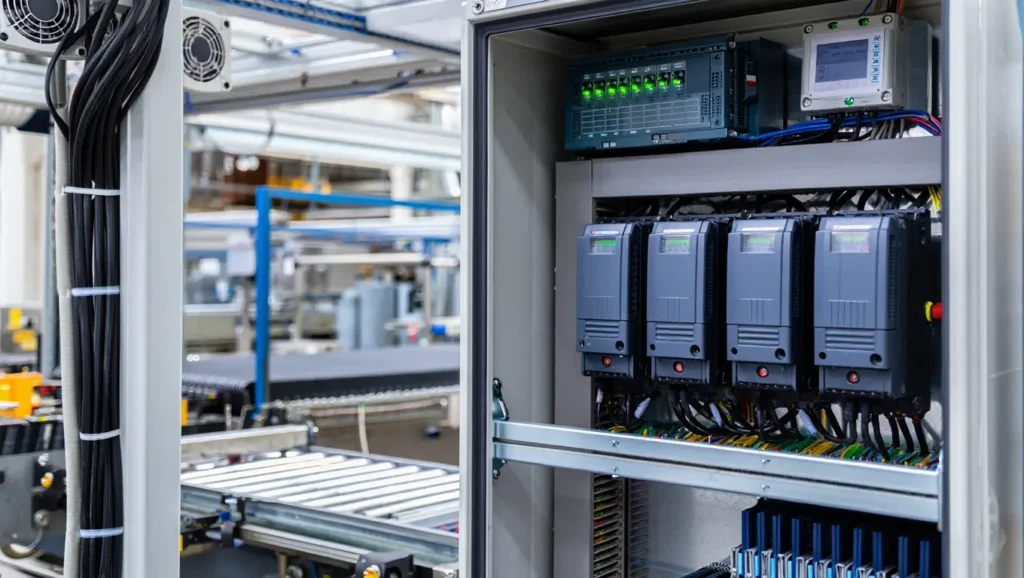
Industrial facilities depend on reliable drive systems to maintain continuous production. If a VFD experiences electrical faults, overheating, or internal component failure, immediate troubleshooting and repair are necessary.
Proper VFD repair services help industries:
-
Restore system functionality quickly
-
Reduce production downtime
-
Extend equipment lifespan
-
Prevent further electrical damage
-
Improve overall operational efficiency
In many cases, repairing a VFD is more cost-effective than replacing the entire drive unit.
Common Signs That Your VFD Needs Repair
Before a VFD completely fails, it usually shows warning signs that indicate potential issues. Identifying these signs early can help prevent serious damage.
Some common symptoms include:
Frequent drive tripping
If the drive repeatedly trips during operation, it may indicate electrical faults, overload conditions, or internal component damage.
Motor not responding properly
When the motor speed becomes unstable or does not respond to commands, the issue may originate from the VFD control system.
Error codes on the display
Modern VFDs display error codes that indicate specific problems such as overvoltage, undervoltage, overheating, or communication faults.
Excessive heat generation
Overheating is one of the most common causes of VFD failure. Poor ventilation, blocked cooling fans, or high ambient temperature can damage internal components.
Unusual noises or vibrations
Strange sounds from the drive or motor may indicate electrical instability or hardware malfunction.
Pro Tip:
Regular monitoring of VFD error logs and drive temperatures can help detect issues early and reduce the need for major repairs.
Common Causes of VFD Failure
Understanding the root causes of drive failure helps industries prevent unexpected breakdowns and costly repairs.
| Cause | Description |
|---|---|
| Overheating | Insufficient cooling or blocked ventilation can damage internal components |
| Power Surges | Voltage spikes from unstable power supply can destroy sensitive electronics |
| Dust and Contamination | Industrial environments can introduce dust that affects circuit boards |
| Capacitor Aging | Over time, capacitors lose efficiency and cause drive instability |
| Cooling Fan Failure | Faulty fans prevent proper heat dissipation |
Step-by-Step VFD Repair Process
Professional technicians follow a structured process when repairing industrial drives. This ensures that the root cause of the issue is properly identified and fixed.
Initial Inspection
The repair process begins with a visual inspection of the drive to identify visible damage, overheating marks, or loose connections.
Diagnostic Testing
Technicians use specialized diagnostic tools to analyze error codes, voltage levels, and internal circuit performance.
Component-Level Repair
Rather than replacing the entire unit, technicians often repair or replace specific components such as:
-
IGBT modules
-
Capacitors
-
Rectifiers
-
Control boards
-
Cooling fans
Cleaning and Maintenance
Dust and contamination are removed from internal components to improve heat dissipation and prevent electrical short circuits.
Functional Testing
After repair, the VFD undergoes testing under simulated operating conditions to ensure stable performance.
Pro Tip:
Component-level VFD repair is often more cost-effective than replacing the entire drive system.
Preventive Maintenance to Reduce VFD Repair Needs
Preventive maintenance plays a major role in minimizing unexpected drive failures. Industrial facilities should follow a scheduled maintenance plan to keep drives operating efficiently.
Important maintenance practices include:
-
Regular inspection of electrical connections
-
Cleaning of cooling systems and ventilation paths
-
Monitoring drive temperature and operating conditions
-
Checking capacitor health periodically
-
Updating firmware when required
Proper maintenance significantly reduces the likelihood of sudden breakdowns and helps extend the operational life of the drive.
When Should You Call a Professional VFD Repair Service?
While minor troubleshooting may be handled internally, certain issues require professional expertise.
You should consider professional VFD repair services when:
-
The drive repeatedly shuts down during operation
-
Internal circuit boards are damaged
-
The drive displays persistent fault codes
-
Motor control becomes unstable
-
The drive fails to power on completely
Experienced technicians have the equipment and expertise needed to diagnose complex electrical faults accurately.
Conclusion
Variable Frequency Drives are essential components in modern industrial automation systems. They help control motor performance, improve energy efficiency, and support reliable production processes.
However, environmental conditions, electrical disturbances, and component aging can lead to drive failures over time. Timely VFD repair, proper troubleshooting, and preventive maintenance are critical to ensuring long-term system reliability.
By implementing regular inspections and working with professional repair specialists, industries can minimize downtime and extend the lifespan of their drive systems.