What Is VFD? A Complete Guide to Variable Frequency Drives & How They Work
Introduction
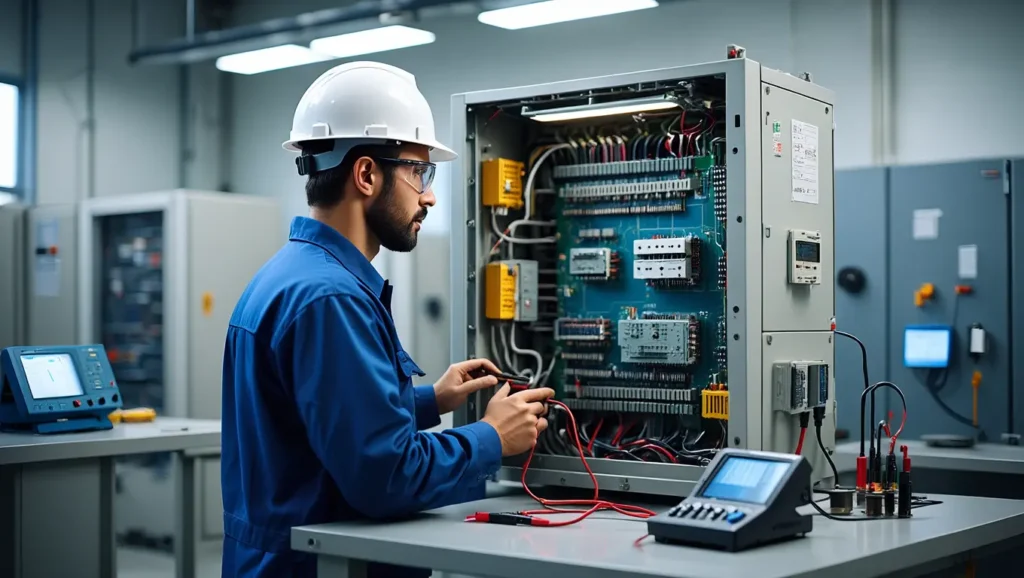
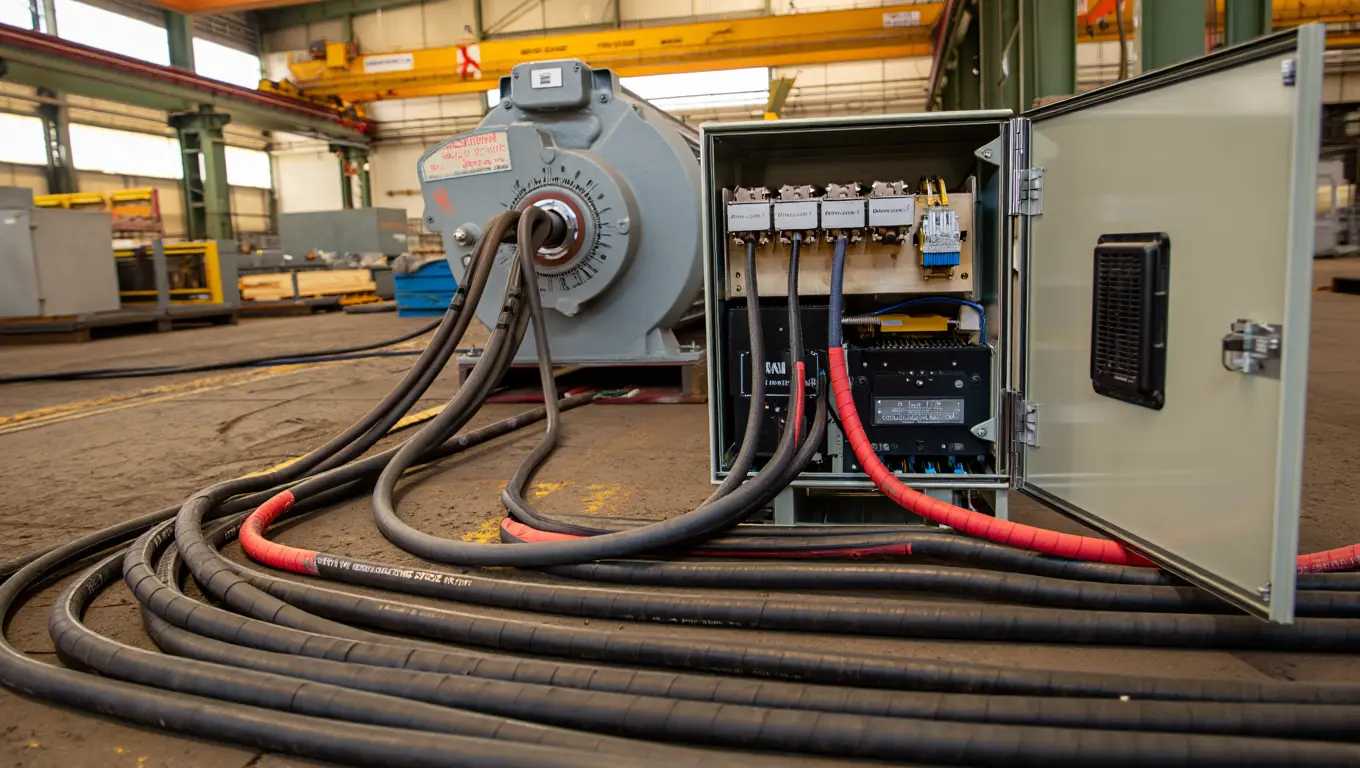
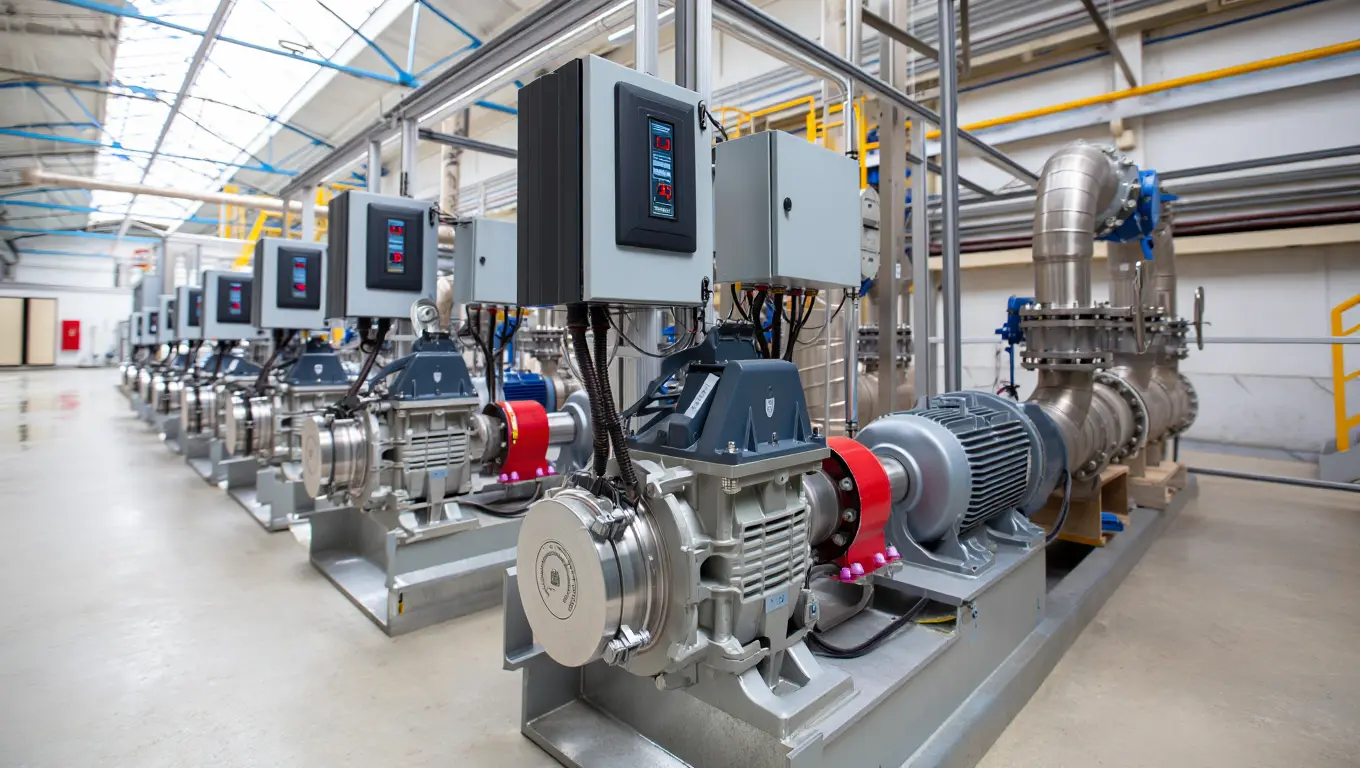
A Variable Frequency Drive (VFD) is one of the most important components in modern industrial automation. It allows precise control of motor speed, improves energy efficiency, and reduces mechanical stress on equipment. In industries across Dubai and the UAE, VFDs are widely used in HVAC systems, pumps, fans, compressors, and industrial machinery.
This guide explains what a VFD is, how it works, and why it is essential for energy-efficient motor control.

What Is a VFD (Variable Frequency Drive)?
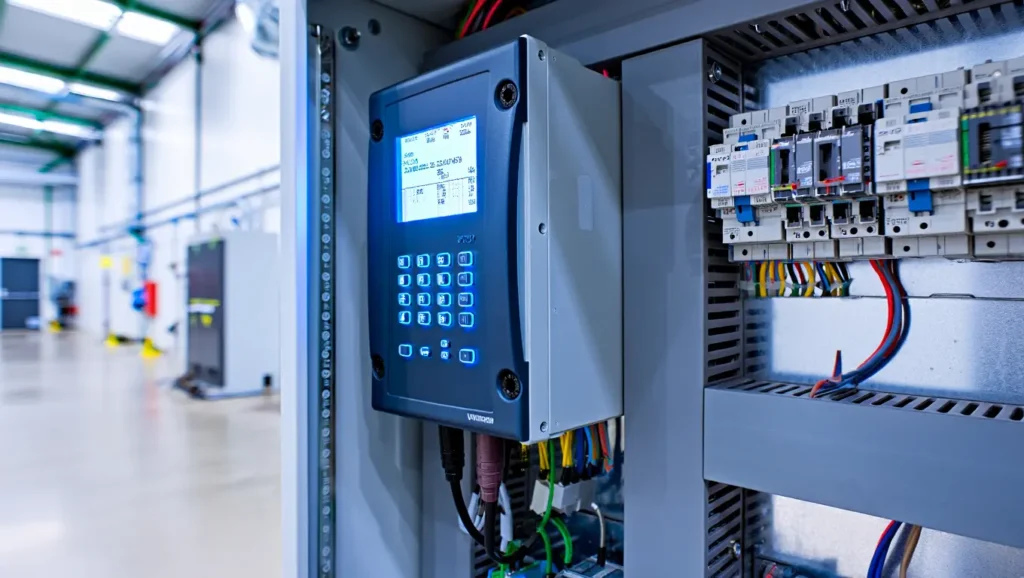
A VFD (Variable Frequency Drive) is an electronic device that controls the speed and torque of an electric motor by varying the frequency and voltage supplied to the motor.
Instead of operating at a fixed speed, the motor speed adjusts according to process demand.
What Does a VFD Do?
A VFD performs three main functions:
-
Controls motor speed
-
Reduces starting current
-
Optimizes energy consumption
This makes VFDs ideal for applications where load demand changes frequently.
How Does a Variable Frequency Drive Work?
A VFD works in three stages:
-
Rectifier – Converts AC power to DC
-
DC Bus – Filters and smooths DC voltage
-
Inverter – Converts DC back to AC at variable frequency
By adjusting output frequency, the VFD controls motor speed accurately.
VFD Working Principle Explained
Motor speed depends on supply frequency.
When frequency decreases → motor speed reduces.
When frequency increases → motor speed increases.
This principle allows precise speed control without mechanical components.
Applications of VFD in Industry
VFDs are commonly used in:
-
HVAC systems
-
Water pumps & booster pumps
-
Fans and exhaust systems
-
Compressors
-
Conveyors
-
Industrial automation systems
Benefits of Using VFD
| Benefit | Description |
|---|---|
| Energy Savings | Reduces power consumption |
| Soft Start | Eliminates high inrush current |
| Longer Motor Life | Reduces mechanical stress |
| Process Control | Accurate speed regulation |
| Lower Maintenance | Fewer mechanical failures |
VFD vs Soft Starter – What’s the Difference?
| Feature | VFD | Soft Starter |
|---|---|---|
| Speed Control | Yes | No |
| Energy Saving | High | Low |
| Torque Control | Yes | Limited |
| Cost | Higher | Lower |
Conclusion
Understanding what a VFD is and how it works helps industries improve efficiency, reduce costs, and enhance equipment reliability. With rising energy costs and sustainability goals, VFDs have become essential for modern industrial systems in Dubai and across the UAE.